Symptoms of Sesamoiditis

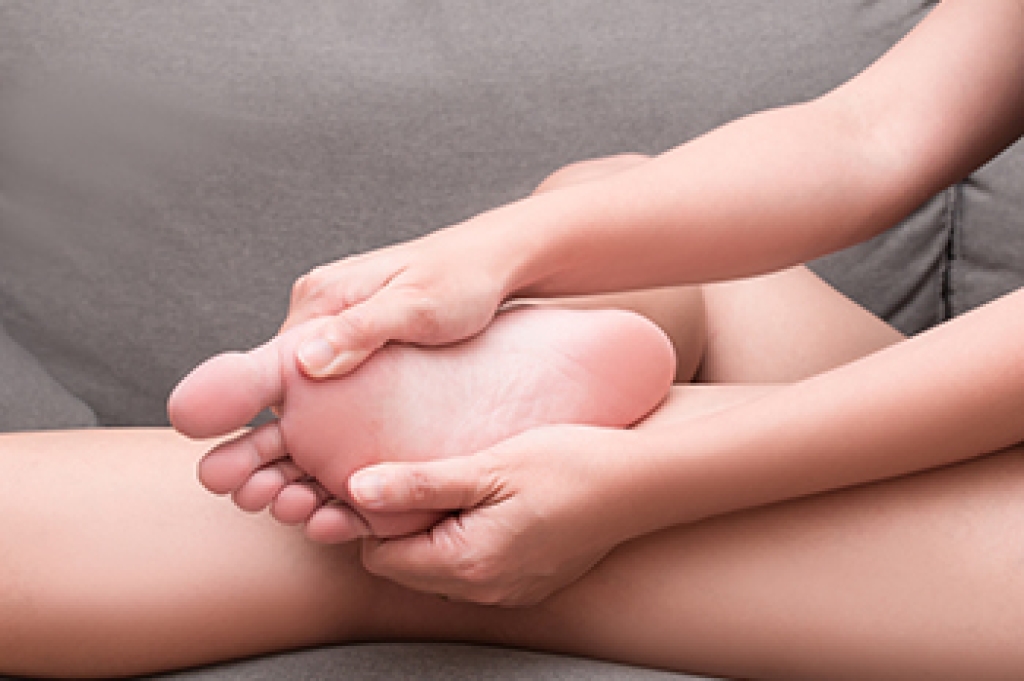
There are many bones in your feet, and they each play an important role in helping your feet move and function. When important bones break or become inflamed, this can result in complications that might be painful or uncomfortable. For example, under your big toe are two sesamoid bones near the bottom of your feet. These bones can become inflamed from an injury or from tension that might occur if your big toe is suddenly and forcefully pushed upward. There are many different symptoms that can be felt from sesamoiditis. The most common symptom is pain. When putting pressure on the feet during walking or other physical activities, it is common for individuals with sesamoiditis to experience pain. However, what may make sesamoiditis difficult for the average person to identify is that there are not usually any noticeable, visual symptoms. That is to say that an individual might experience pain but not be able to point to any visual signs of sesamoiditis on their feet. To diagnose sesamoiditis, a medical professional can perform a bone scan or an MRI to identify the condition. If you are experiencing pain and inflammation in your sesamoid bones, contact a podiatrist who can help you treat the problem.

Sesamoiditis is an unpleasant foot condition characterized by pain in the balls of the feet. If you think you’re struggling with sesamoiditis, contact one of our podiatrists of Ultimate Foot Care . Our doctors will treat your condition thoroughly and effectively.

Sesamoiditis

Sesamoiditis is a condition of the foot that affects the ball of the foot. It is more common in younger people than it is in older people. It can also occur with people who have begun a new exercise program, since their bodies are adjusting to the new physical regimen. Pain may also be caused by the inflammation of tendons surrounding the bones. It is important to seek treatment in its early stages because if you ignore the pain, this condition can lead to more serious problems such as severe irritation and bone fractures.

Causes of Sesamoiditis

  • Sudden increase in activity
  • Increase in physically strenuous movement without a proper warm up or build up
  • Foot structure: those who have smaller, bonier feet or those with a high arch may be more susceptible

Treatment for sesamoiditis is non-invasive and simple. Doctors may recommend a strict rest period where the patient forgoes most physical activity. This will help give the patient time to heal their feet through limited activity. For serious cases, it is best to speak with your doctor to determine a treatment option that will help your specific needs.

If you have any questions, please feel free to contact our office located in Smithtown, NY . We offer the newest diagnostic and treatment technologies for all your foot care needs.


Read more about Sesamoiditis

Plantar Warts Can Be Treated!

Plantar warts are small growths that develop on parts of the feet that bear weight. They're typically found on the bottom of the foot. Don't live with plantar warts, and call us today!

Surgery for Toe Arthritis

Arthritis is an ailment that affects joints and results in pain, swelling, and stiffness. It can occur throughout different parts of your body as well as in your toes. Arthritis in the toes can make walking and balancing hard. The toe can hurt when it is lifted or when walking, but also sometimes when it is at rest. With big toe arthritis, there can be an inability to bend the toe upwards. In fact, it might bend down and be unable to lay flat. Not only is there often swelling and inflammation of the big toe joint, but sometimes a bump might form from the joints rubbing together. There are various forms of arthritis that can affect the toes. Osteoarthritis causes the cartilage between joints to break down and rub against each other. Rheumatoid arthritis is an inflammatory arthritis and can affect several small joints in the foot at the same time, including the toes. Gout, psoriatic arthritis, and infectious arthritis that can impact the toes as well. Doing regular exercises, wearing comfortable, well-fitting shoes, and maintaining a proper body weight can help to prevent toe arthritis. Rigid orthotics, steroid injections, and anti-inflammatory medications might help with pain, but sometimes surgery is necessary for relief. If you have arthritis that is affecting your toes, and less invasive options are not providing relief, see a podiatrist who can talk to you about surgical options that may help.

Foot surgery is sometimes necessary to treat a foot ailment. To learn more, contact one of our podiatrists of Ultimate Foot Care . Our doctors will assist you with all of your foot and ankle needs.

When Is Surgery Necessary?

Foot and ankle surgery is generally reserved for cases in which less invasive, conservative procedures have failed to alleviate the problem. Some of the cases in which surgery may be necessary include:

  • Removing foot deformities like bunions and bone spurs
  • Severe arthritis that has caused bone issues
  • Cosmetic reconstruction

What Types of Surgery Are There?

The type of surgery you receive will depend on the nature of the problem you have. Some of the possible surgeries include:

  • Bunionectomy for painful bunions
  • Surgical fusion for realignment of bones
  • Neuropathy decompression surgery to treat nerve damage

Benefits of Surgery

Although surgery is usually a last resort, it can provide more complete pain relief compared to non-surgical methods and may allow you to finally resume full activity.

Surgical techniques have also become increasingly sophisticated. Techniques like endoscopic surgery allow for smaller incisions and faster recovery times.

If you have any questions, please feel free to contact our office located in Smithtown, NY . We offer the newest diagnostic and treatment technologies for all your foot care needs.
Read more about Foot Surgery

Improving Balance in the Elderly Can Prevent Falls

If you are among the elderly, you are at an increased risk of falling. Improving your balance and becoming more aware of your body and how it is moving through exercise can help you prevent falls. If your podiatrist approves, you can try simple balance exercises at home such as the single leg stance with variations. These exercises all have a resting position where you stand with your legs slightly apart while supporting yourself behind a chair or table. First, lift one leg up to the side about 6 inches and hold for 10 seconds. Do 5-10 reps on each leg. Now, go back to the resting position, but this time bend your right knee and lift your leg about 6 inches off of the floor and hold for 10 seconds before switching to the other leg. Once again, return to the resting position keeping your knee straight. Lift one leg behind you and hold for 10 seconds, and repeat on the other leg. These single-leg stance exercises can be done up to three times daily and once you feel ready with your podiatrist's approval, you can try them with your eyes closed to improve your balance even more. Consult with your podiatrist for more balance exercises and to receive a fall risk assessment. 

Preventing falls among the elderly is very important. If you are older and have fallen or fear that you are prone to falling, consult with one of our podiatrists from Ultimate Foot Care . Our doctors will assess your condition and provide you with quality advice and care.

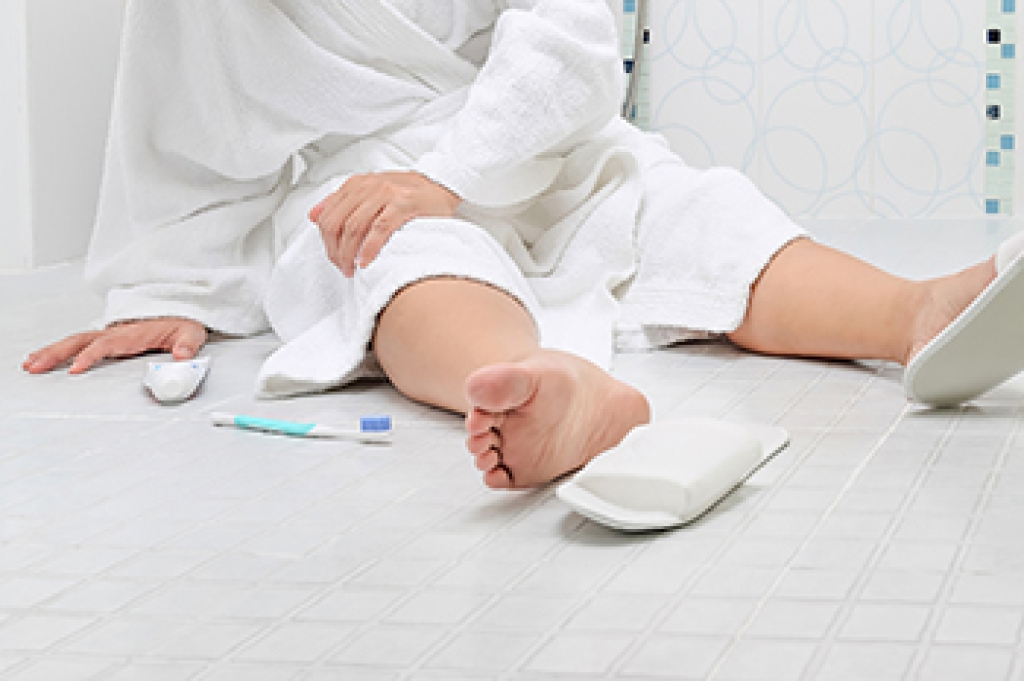
Every 11 seconds, an elderly American is being treated in an emergency room for a fall related injury. Falls are the leading cause of head and hip injuries for those 65 and older. Due to decreases in strength, balance, senses, and lack of awareness, elderly persons are very susceptible to falling. Thankfully, there are a number of things older persons can do to prevent falls.

How to Prevent Falls

Some effective methods that older persons can do to prevent falls include:

  • Enrolling in strength and balance exercise program to increase balance and strength
  • Periodically having your sight and hearing checked
  • Discuss any medications you have with a doctor to see if it increases the risk of falling
  • Clearing the house of falling hazards and installing devices like grab bars and railings
  • Utilizing a walker or cane
  • Wearing shoes that provide good support and cushioning
  • Talking to family members about falling and increasing awareness

Falling can be a traumatic and embarrassing experience for elderly persons; this can make them less willing to leave the house, and less willing to talk to someone about their fears of falling. Doing such things, however, will increase the likelihood of tripping or losing one’s balance. Knowing the causes of falling and how to prevent them is the best way to mitigate the risk of serious injury.  

If you have any questions, please feel free to contact our office located in Smithtown, NY . We offer the newest diagnostic and treatment technologies for all your foot care needs.
Read more about Falls Prevention

Studies Indicate That Foot Pain and Obesity May Be Linked

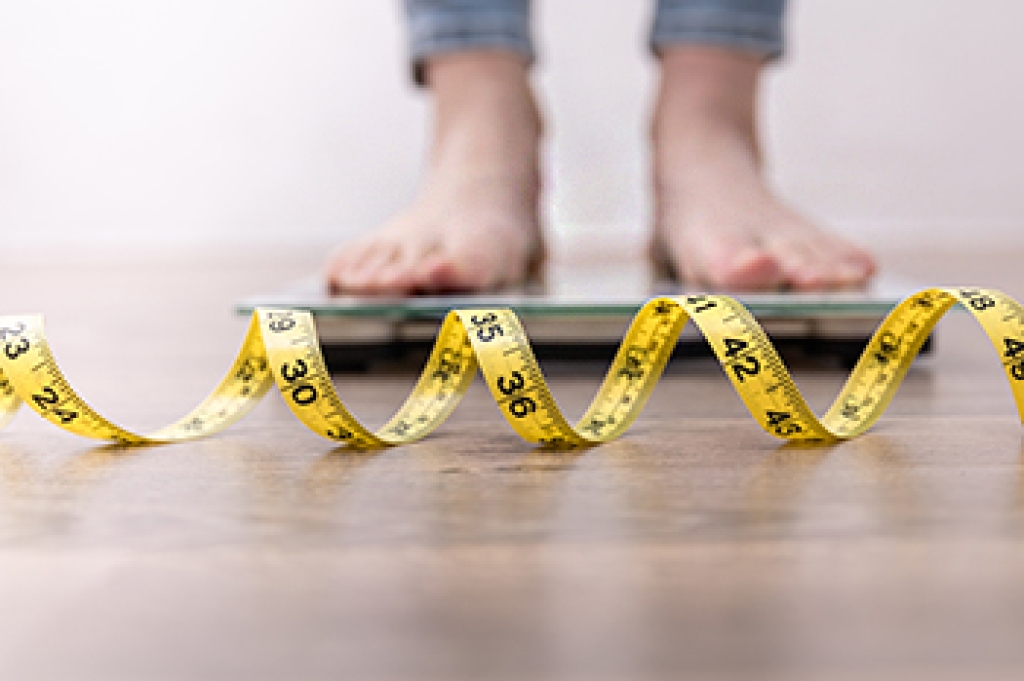
The feet can be negatively affected in patients who are obese. It can alter foot structure, and may lead to developing arthritis. Common foot conditions that can result from obesity can include tendonitis, plantar fasciitis, and inflammation along the entire foot. Research has shown that when people walk up steps, approximately four to six times their body weight is felt in the ankle joints, and this can also occur from walking up a steep incline. Obesity may increase these numbers, and it is beneficial to start a healthy eating plan that can help to reduce the impact on the feet and ankles. Recent studies have been conducted, and almost half of the people observed they have gained weight prior to having foot pain. The tendons and ligaments in the feet are often affected when additional weight is gained, and walking may become difficult. If you are overweight, and have foot and ankle pain, please schedule an appointment with a podiatrist who can treat foot pain, and help you with proper food choices that may reduce foot and ankle pain.

The more you weigh, the harder your feet must work to support your body. If you’re an obese individual and are concerned about your feet, contact one of our podiatrists from Ultimate Foot Care . Our doctors can provide the care you need to keep you pain-free and on your feet.

Obesity and Your Feet

People who are overweight are putting more pressure on their ankles, knees, and hips as well as their feet. This unfortunately can lead to variety of different issues.

Problems & Complications Stemming from Obesity

  • When the body is overweight, it tries to compensate by changing the way that it moves. An obese person may lean forward and put extra weight on the wrong part of the foot. This puts unnecessary stress on the feet.
  • Obese people are also more likely to develop type II diabetes which is a condition that causes a lot of foot problems. People with diabetes often don’t feel the cuts and sores that they may have on their feet, which can lead to more complicated and severe issues.
  • Plantar fasciitis is another foot condition that can be caused by obesity. Plantar fasciitis is an inflammation of the tissue along the bottom of the foot, which causes pain and stiffness while walking and climbing stairs.

If you have any questions please contact our office located in Smithtown, NY . We offer the newest diagnostic and treatment technologies for all your foot and ankle needs.

Read more about How Obesity Affects Your Feet
scroll to top