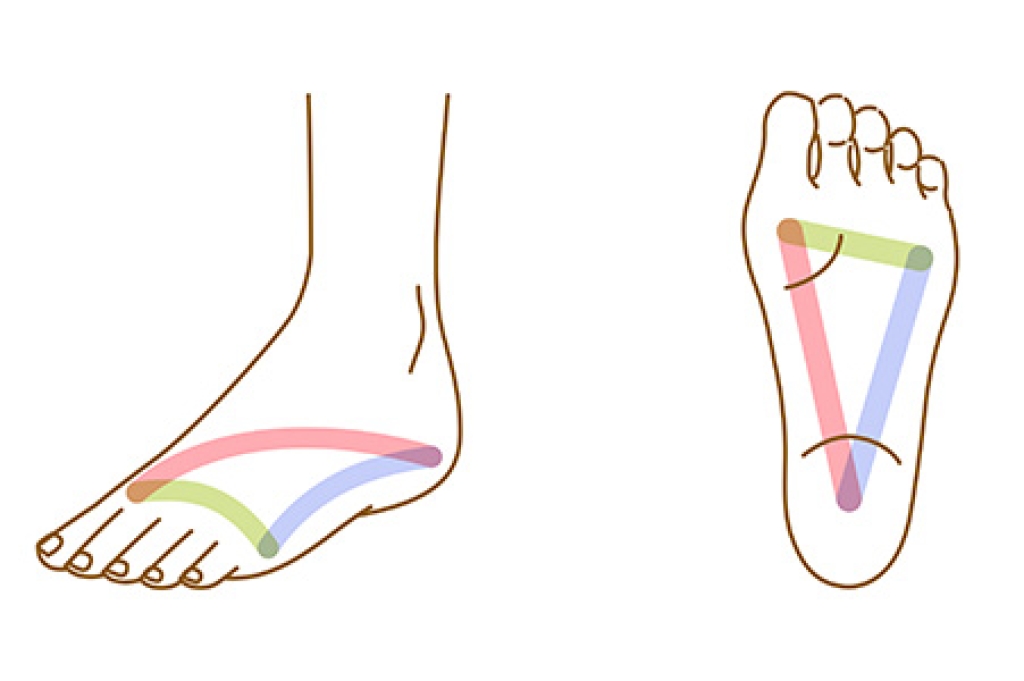
Causes Behind Foot Arch Pain

Foot arch pain affects the middle portion of the foot and can interfere with everyday activities. The arch is designed to absorb shock, bear weight, and stabilize movement. When this structure is stressed or injured, it can lead to discomfort that worsens with activity. Symptoms often include tenderness, swelling, and a sharp or burning sensation that becomes more noticeable after walking or standing.

The causes of arch pain are often linked to overuse and physical stress. Excessive exercise, especially without proper rest, can strain the ligaments and muscles that support the arch. Activities like running, jumping, or standing for extended periods of time can increase pressure on the foot. Poor foot mechanics and lack of proper support may also contribute to strain, leading to gradual irritation and inflammation in the arch area.


Several risk factors can increase the likelihood of developing arch pain. These include having flat feet or high arches, wearing shoes that lack proper cushioning, and engaging in repetitive movements. Poor posture can affect alignment and place uneven pressure on the foot. Individuals with physically demanding jobs or active lifestyles may be more prone to symptoms, especially when recovery time is limited.


Understanding the causes and risk factors of arch pain helps guide effective prevention and treatment. Early attention to symptoms can reduce discomfort and improve mobility. Maintaining proper foot support and managing activity levels are key steps for long-term health. Foot arch pain can be uncomfortable and may cause difficulty in completing daily activities. If you have pain in this part of your foot, it is suggested that you consult a podiatrist who can determine what the cause is and offer effective relief and treatment solutions.

Foot Pain

Foot pain can be extremely painful and debilitating. If you have a foot pain, consult with one of our podiatrists  from Ultimate Foot Care . Our doctors will assess your condition and provide you with quality foot and ankle treatment.

Causes

Foot pain is a very broad condition that could be caused by one or more ailments. The most common include:

  • Bunions
  • Hammertoes
  • Plantar Fasciitis
  • Bone Spurs
  • Corns
  • Tarsal Tunnel Syndrome
  • Ingrown Toenails
  • Arthritis (such as Gout, Rheumatoid, and Osteoarthritis)
  • Flat Feet
  • Injury (from stress fractures, broken toe, foot, ankle, Achilles tendon ruptures, and sprains)
  • And more

Diagnosis

To figure out the cause of foot pain, podiatrists utilize several different methods. This can range from simple visual inspections and sensation tests to X-rays and MRI scans. Prior medical history, family medical history, and any recent physical traumatic events will all be taken into consideration for a proper diagnosis.

Treatment

Treatment depends upon the cause of the foot pain. Whether it is resting, staying off the foot, or having surgery; podiatrists have a number of treatment options available for foot pain.

If you have any questions, please feel free to contact our office located in Smithtown, NY . We offer the newest diagnostic and treatment technologies for all your foot care needs.

Read more about Foot Pain

Preventing Falls at Home for Older Adults and Protecting Foot Health

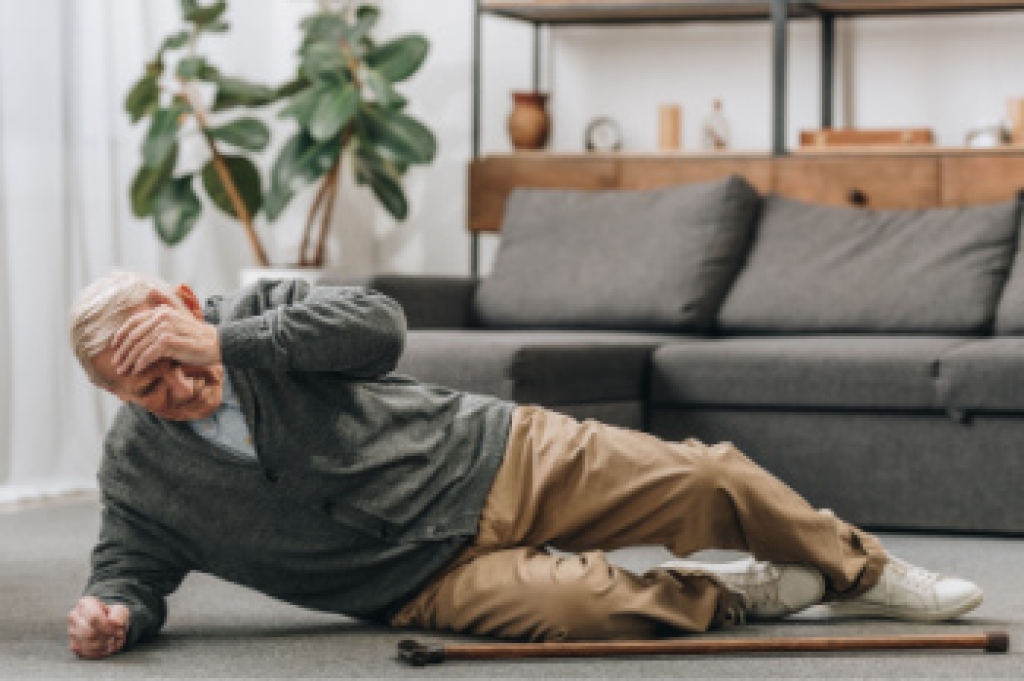
Falls at home are a common concern for older adults and can lead to serious injuries, especially involving the feet and ankles. A fall is defined as an unexpected loss of balance that results in landing on the ground or a lower surface. Several causes contribute to falls, including poor lighting, uneven surfaces, and distractions such as reading while walking. Understanding why falls happen can help reduce risk and support safer movement within the home environment.

Symptoms and warning signs that may increase fall risk include unsteady walking, dizziness, muscle weakness, and reduced balance. Risk factors include aging-related changes, vision problems, medications that affect coordination, and lack of physical activity. Limited awareness of surroundings can also play a role, especially when attention is divided between tasks. These factors can make it more difficult to react quickly and maintain stability, increasing the chance of a fall.


Falls can lead to a variety of foot and ankle conditions, including sprains, fractures, bruising, and joint pain. These injuries may affect mobility and make daily activities more challenging. Preventive strategies include improving awareness while walking, avoiding distractions, and maintaining a safe home environment. Mind-body exercises such as tai chi and yoga can improve balance and coordination. Additionally, building muscle strength through regular activity also supports stability and reduces fall risk.


Taking steps to prevent falls can protect overall health and maintain independence. Simple changes, such as improving lighting and focusing on safe movement, can make a meaningful difference. Staying active and aware supports better balance and reduces injury risk. If you have injured your foot or ankle from falling, it is suggested that you consult a podiatrist for effective treatment solutions and additional guidance on fall prevention tips.

Preventing falls among the elderly is very important. If you are older and have fallen or fear that you are prone to falling, consult with one of our podiatrists from Ultimate Foot Care . Our doctors will assess your condition and provide you with quality advice and care.

Every 11 seconds, an elderly American is being treated in an emergency room for a fall related injury. Falls are the leading cause of head and hip injuries for those 65 and older. Due to decreases in strength, balance, senses, and lack of awareness, elderly persons are very susceptible to falling. Thankfully, there are a number of things older persons can do to prevent falls.

How to Prevent Falls

Some effective methods that older persons can do to prevent falls include:

  • Enrolling in strength and balance exercise program to increase balance and strength
  • Periodically having your sight and hearing checked
  • Discuss any medications you have with a doctor to see if it increases the risk of falling
  • Clearing the house of falling hazards and installing devices like grab bars and railings
  • Utilizing a walker or cane
  • Wearing shoes that provide good support and cushioning
  • Talking to family members about falling and increasing awareness

Falling can be a traumatic and embarrassing experience for elderly persons; this can make them less willing to leave the house, and less willing to talk to someone about their fears of falling. Doing such things, however, will increase the likelihood of tripping or losing one’s balance. Knowing the causes of falling and how to prevent them is the best way to mitigate the risk of serious injury.  

If you have any questions, please feel free to contact our office located in Smithtown, NY . We offer the newest diagnostic and treatment technologies for all your foot care needs.
Read more about Falls Prevention

Understanding Pinky Toe Pain and Common Causes of Discomfort

Pinky toe pain can develop from injury, pressure, or irritation affecting the smallest toe of the foot. The pinky toe plays an important role in balance and stability, so discomfort in this area can affect walking and daily activities. Common causes include stubbing the toe, fractures, dislocations, and sprains. Other conditions, such as a tailor’s bunion or an ingrown toenail, can also contribute to pain and irritation. Understanding the definition and causes of pinky toe pain can help individuals recognize symptoms and seek proper care.

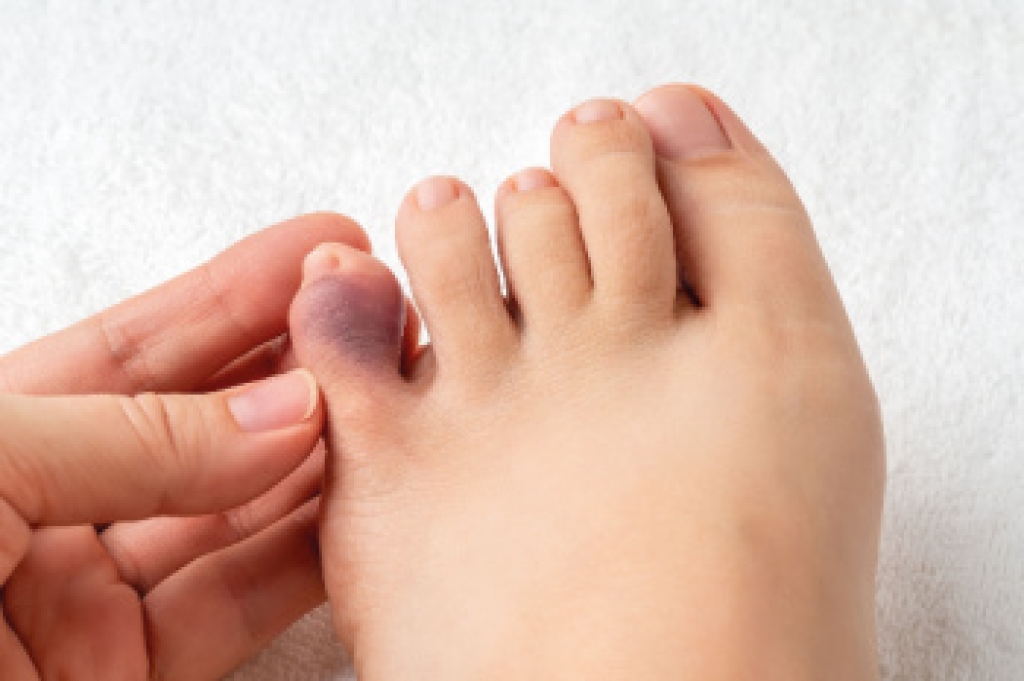
Symptoms of pinky toe pain may include swelling, bruising, redness, and difficulty wearing shoes. A sudden injury, such as stubbing the toe against a hard surface, can cause immediate pain and swelling. Fractures may result in severe discomfort, bruising, and difficulty putting pressure on the foot. Dislocations can change the position of the toe, while sprains may cause pain from stretched or damaged ligaments. These symptoms can range from mild irritation to significant discomfort depending on the underlying cause.


Risk factors for pinky toe pain include wearing narrow footwear, participating in high-impact activities, and repeated pressure on the toes. A tailor’s bunion develops when the joint near the base of the pinky toe becomes enlarged and irritated, often due to foot structure or shoe pressure. An ingrown toenail can also cause pain when the nail grows into the surrounding skin, leading to tenderness and possible inflammation. Additional causes include accidental injuries, improper footwear, and foot alignment issues.


Proper care depends on the cause of the pinky toe pain. Wearing supportive shoes with enough room for the toes can reduce pressure and improve comfort. Protecting the toe from additional stress and addressing injuries early can support healing. Paying attention to symptoms can help prevent minor issues from becoming more serious. If you have pain in your pinky toe, it is suggested that you consult a podiatrist for an accurate diagnosis and appropriate treatment.

Toe pain can disrupt your daily activities. If you have any concerns, contact one of our podiatrists of Ultimate Foot Care . Our doctors can provide the care you need to keep you pain-free and on your feet.

What Causes Toe Pain?

Most severe toe pain is caused due to a sports injury, trauma from dropping something heavy on the toe, or bumping into something rigid. Other problems can develop over time for various reasons.

Toe pain can be caused by one or more ailments. The most common include:

  • Trauma
  • Sports injury
  • Wearing shoes that are too tight
  • Arthritis
  • Gout
  • Corns and calluses
  • Hammertoe
  • Bunions
  • Blisters
  • Ingrown toenails
  • Sprains
  • Fractures (broken bones)
  • Dislocations

When to See a Podiatrist

  • Severe pain
  • Persistent pain that lasts more than a week
  • Signs of infection
  • Continued swelling
  • Pain that prevents walking

Diagnosis

In many cases the cause of toe pain is obvious, but in others, a podiatrist may want to use more advanced methods to determine the problem. These can range from simple visual inspections and sensation tests to X-rays and MRI scans. Prior medical history, family medical history, and any recent physical traumatic events will all be taken into consideration for a proper diagnosis.

Treatment

Treatments for toe pain and injuries vary and may include shoe inserts, padding, taping, medicines, injections, and in some cases, surgery. If you believe that you have broken a toe, please see a podiatrist as soon as possible.

If you have any questions please contact our office located in Smithtown, NY . We offer the newest diagnostic and treatment technologies for all your foot and ankle needs.

Read more about Toe Pain

Cracked Heels Can Worsen Without Proper Foot Care

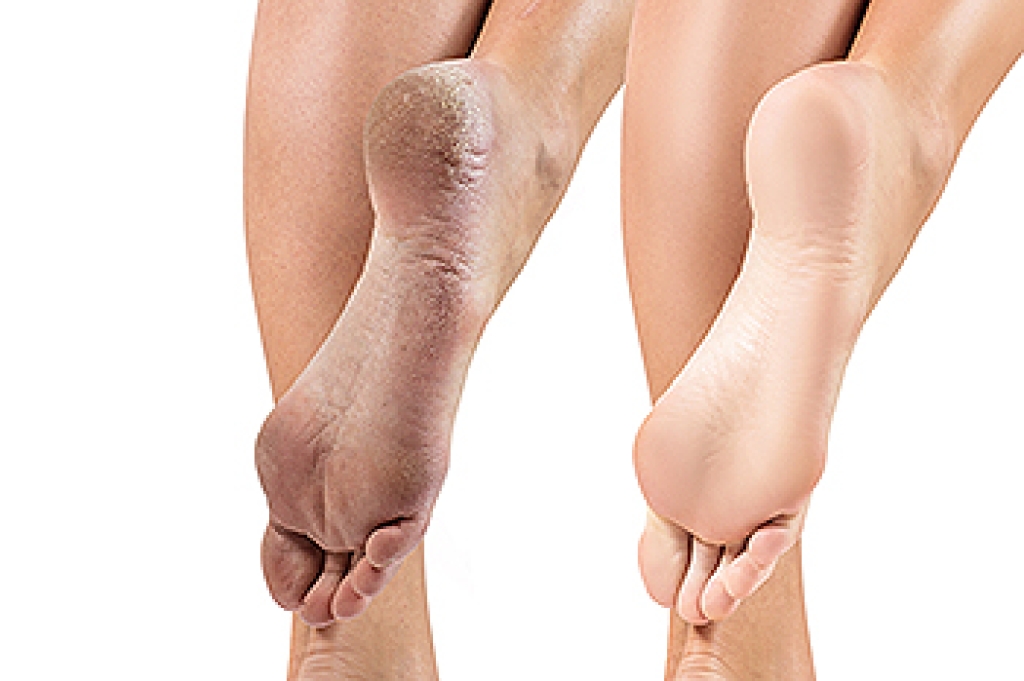
Cracked heels develop when dry, thick skin surrounding the heel loses flexibility and splits under pressure. The cracks can look like thin lines, but deeper openings can cause pain, bleeding, or tenderness while walking. Standing for long periods can place added stress on the heel. Shoes that fit poorly and open-back sandals can also let the heel spread outward. Age can raise the risk because skin becomes less flexible and produces less oil. Health problems like diabetes, psoriasis, and athlete’s foot can also contribute to cracked heels.

A podiatrist can examine the heels to determine how deep the cracks are and whether infection is present. The examination also looks for thick calluses, redness, and drainage. A podiatrist can check circulation and sensation in the feet, especially when a patient has diabetes or another condition that affects healing. Treatment includes the careful removal of hard, thickened skin with sterile instruments. This process reduces pressure near the cracks and helps the heel regain a smoother surface. The podiatrist can also apply protective dressings or recommend heel cups that support the heel’s padding. Deep cracks and termed fissures can require specialized wound care.

A podiatrist also addresses the forces that caused the skin to split. They can assess a patient’s gait, foot shape, and shoe fit. Custom orthotics can improve weight distribution when poor foot alignment places extra pressure on the heels. Advice about properly fitted, supportive shoes can help protect the skin and limit outward spreading of the heel. Regular podiatric evaluations are important for patients with poor circulation, reduced feeling, or a history of slow-healing wounds. Cracked heels should not be ignored when they bleed, become increasingly painful, or show redness and warmth. Early professional care can keep small splits from becoming deeper wounds and can lower the risk of infection. If you have painful cracked heels, it is suggested that you schedule an appointment with a podiatrist for effective treatment solutions, which may include prescribed medication. 

If the skin on your feet starts to crack, you may want to see a podiatrist to find treatment. If you have any concerns, contact one of our podiatrists from Ultimate Foot Care . Our doctors can provide the care you need to keep you pain-free and on your feet.

Cracked Heels

It is important to moisturize your cracked heels in order to prevent pain, bleeding, and infection. The reason cracked heels form is because the skin on the foot is too dry to support the immense pressure placed on them. When the foot expands, the dry skin on the foot begins to split.

Ways to Help Heal Them

  • Invest in a good foot cream
  • Try Using Petroleum Jelly
  • Ease up on Soaps
  • Drink Plenty of Water

Ways to Prevent Cracked Heels

  • Moisturize After Showering
  • Skip a Shower
  • Keep Shower Water Lukewarm
  • Don’t Scrub Your Feet

If you are unsure how to proceed in treating cracked heels, seek guidance from a podiatrist. Your doctor will help you with any questions or information you may need. 

If you have any questions, please feel free to contact our office located in Smithtown, NY . We offer the newest diagnostic and treatment technologies for all your foot care needs.
Read more about Solutions for Cracked Heels
scroll to top