
If left untreated, an ingrown toenail can lead to more serious concerns, such as an infection. Knowing proper nail care can help in the prevention of an ingrown toenail. Give us a call, and get treated!
If left untreated, an ingrown toenail can lead to more serious concerns, such as an infection. Knowing proper nail care can help in the prevention of an ingrown toenail. Give us a call, and get treated!

Gout is a form of arthritis caused by a buildup of uric acid crystals in the joints, most commonly affecting the big toe. It can be triggered by genetics, a diet high in purines, dehydration, obesity, or certain medical conditions. During a gout flare, the affected joint may appear red, swollen, warm, and shiny. It often feels intensely painful and is sometimes described as burning or throbbing. Even light pressure, such as a bedsheet resting on the toe, can cause significant discomfort. A podiatrist can help by evaluating the affected joint, confirming the diagnosis, and coordinating treatment with your primary care provider if needed. Options include medication management, joint protection strategies, footwear guidance, and lifestyle recommendations to manage or prevent attacks. If you experience sudden, severe joint pain or swelling, it is suggested that you make an appointment with a podiatrist.
Gout is a foot condition that requires certain treatment and care. If you are seeking treatment, contact one of our podiatrists from Ultimate Foot Care . Our doctors will treat your foot and ankle needs.
What Is Gout?
Gout is a type of arthritis caused by a buildup of uric acid in the bloodstream. It often develops in the foot, especially the big toe area, although it can manifest in other parts of the body as well. Gout can make walking and standing very painful and is especially common in diabetics and the obese.
People typically get gout because of a poor diet. Genetic predisposition is also a factor. The children of parents who have had gout frequently have a chance of developing it themselves.
Gout can easily be identified by redness and inflammation of the big toe and the surrounding areas of the foot. Other symptoms include extreme fatigue, joint pain, and running high fevers. Sometimes corticosteroid drugs can be prescribed to treat gout, but the best way to combat this disease is to get more exercise and eat a better diet.
If you have any questions, please feel free to contact our office located in Smithtown, NY . We offer the newest diagnostic and treatment technologies for all your foot care needs.
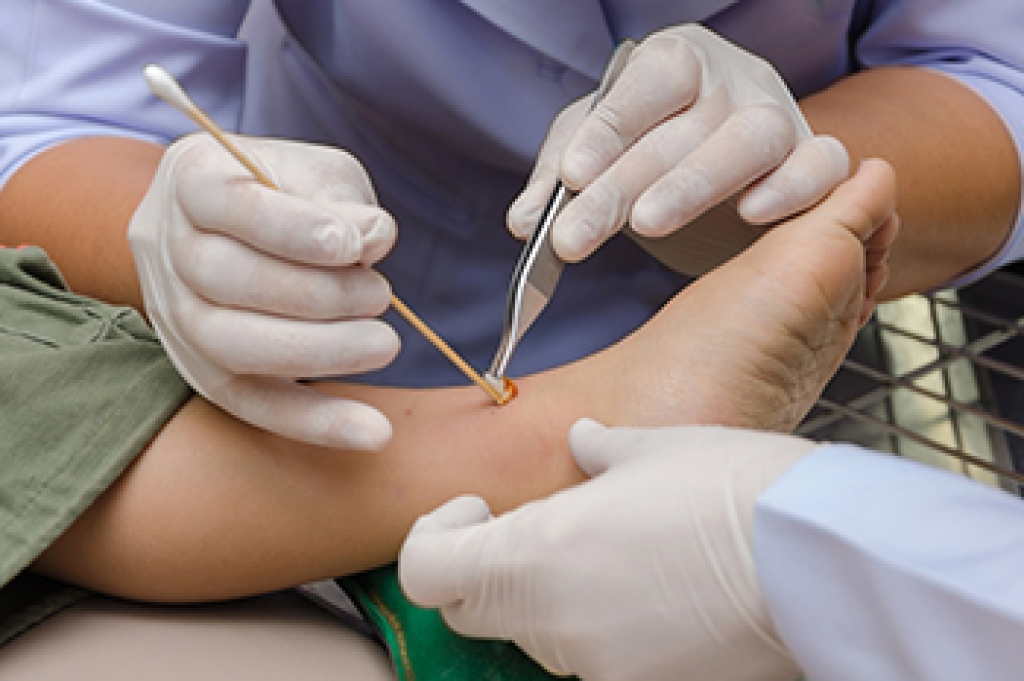
An ankle ulcer is an open sore that forms when the skin and deeper tissue break down and cannot repair themselves, often due to circulation problems, diabetes, or long-term pressure on the area. These wounds usually appear on the inner or outer ankle, and may start as a small patch of irritated skin before slowly opening into a moist or dry sore. The edges can look red, dark, or swollen, and some ulcers may drain or feel tender when touched or rubbed by shoes. Because the ankle has limited soft tissue and is exposed to constant movement, healing can be slow without proper care. A podiatrist can evaluate blood flow, clean and protect the wound, select dressings that support healing, and identify any factors that delay recovery. If your ankle wound is not improving or begins to cause more discomfort, it is suggested you see a podiatrist for effective treatment solutions.
Wound care is an important part in dealing with diabetes. If you have diabetes and a foot wound or would like more information about wound care for diabetics, consult with one of our podiatrists from Ultimate Foot Care . Our doctors will assess your condition and provide you with quality foot and ankle treatment.
What Is Wound Care?
Wound care is the practice of taking proper care of a wound. This can range from the smallest to the largest of wounds. While everyone can benefit from proper wound care, it is much more important for diabetics. Diabetics often suffer from poor blood circulation which causes wounds to heal much slower than they would in a non-diabetic.
What Is the Importance of Wound Care?
While it may not seem apparent with small ulcers on the foot, for diabetics, any size ulcer can become infected. Diabetics often also suffer from neuropathy, or nerve loss. This means they might not even feel when they have an ulcer on their foot. If the wound becomes severely infected, amputation may be necessary. Therefore, it is of the upmost importance to properly care for any and all foot wounds.
How to Care for Wounds
The best way to care for foot wounds is to prevent them. For diabetics, this means daily inspections of the feet for any signs of abnormalities or ulcers. It is also recommended to see a podiatrist several times a year for a foot inspection. If you do have an ulcer, run the wound under water to clear dirt from the wound; then apply antibiotic ointment to the wound and cover with a bandage. Bandages should be changed daily and keeping pressure off the wound is smart. It is advised to see a podiatrist, who can keep an eye on it.
If you have any questions please contact our office located in Smithtown, NY . We offer the newest diagnostic and treatment technologies for all your foot and ankle needs.
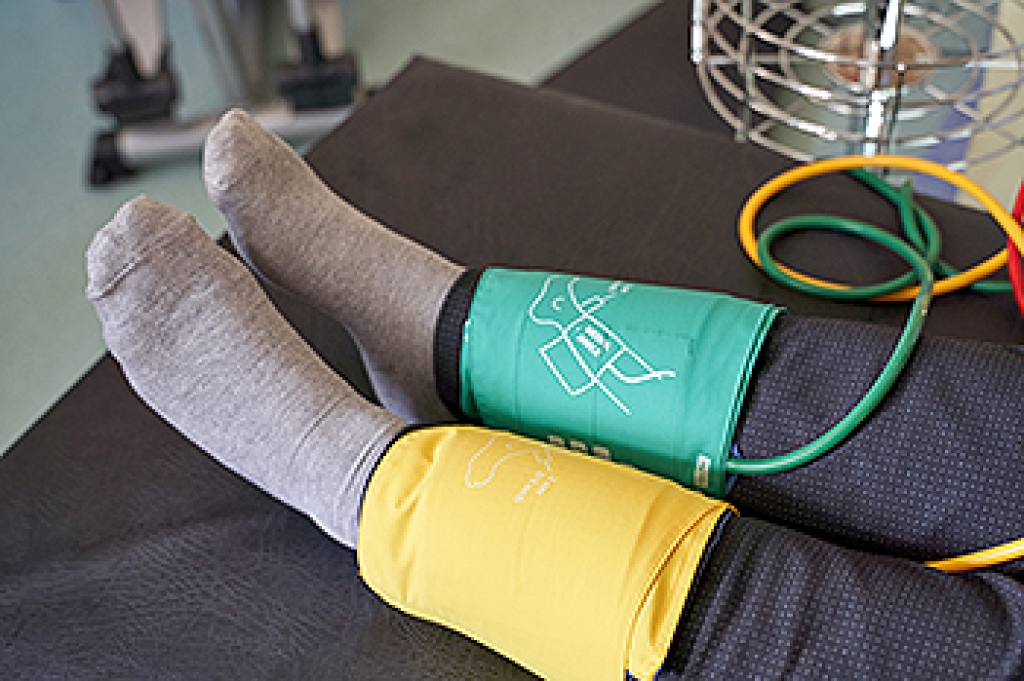
Testing for peripheral artery disease focuses on blood flow to the feet, toes, and ankles. Changes in circulation can affect skin temperature, nail health, healing, and walking comfort. During an exam, a podiatrist checks how well blood is reaching the feet and toes, skin color, and temperature to look for reduced flow. In-office tools allow listening to blood movement and comparing pressure between the ankle and toe, which helps identify peripheral artery disease later in the visit. Findings guide decisions about monitoring, further testing, or surgery when circulation is severely limited. Assessment is important for people with slow-healing sores, numbness, or color changes in the feet. A podiatrist explains results, tracks changes over time, and helps lower the risk of wounds, infection, and loss of limb affecting the feet. For help with foot problems, it is suggested that you consult a podiatrist for an exam and treatment.
Peripheral artery disease can pose a serious risk to your health. It can increase the risk of stroke and heart attack. If you have symptoms of peripheral artery disease, consult with one of our podiatrists from Ultimate Foot Care . Our doctors will assess your condition and provide you with quality foot and ankle treatment.
Peripheral artery disease (PAD) is when arteries are constricted due to plaque (fatty deposits) build-up. This results in less blood flow to the legs and other extremities. The main cause of PAD is atherosclerosis, in which plaque builds up in the arteries.
Symptoms
Symptoms of PAD include:
It is important to note that a majority of individuals never show any symptoms of PAD.
Diagnosis
While PAD occurs in the legs and arteries, Podiatrists can diagnose PAD. Podiatrists utilize a test called an ankle-brachial index (ABI). An ABI test compares blood pressure in your arm to you ankle to see if any abnormality occurs. Ultrasound and imaging devices may also be used.
Treatment
Fortunately, lifestyle changes such as maintaining a healthy diet, exercising, managing cholesterol and blood sugar levels, and quitting smoking, can all treat PAD. Medications that prevent clots from occurring can be prescribed. Finally, in some cases, surgery may be recommended.
If you have any questions, please feel free to contact our office located in Smithtown, NY . We offer the newest diagnostic and treatment technologies for all your foot care needs.

Blisters are small pockets of fluid that form on the skin due to friction, pressure, or moisture, commonly occurring while hiking. They often develop when shoes rub against the foot, especially during long treks or with new or poorly fitting footwear. Preventing blisters begins with choosing the right socks made of moisture-wicking materials, breaking in new shoes gradually, and keeping feet dry throughout the hike. Proper foot care and attention to hotspots can significantly reduce the risk of painful blisters. A podiatrist can evaluate foot structure, recommend suitable hiking footwear, provide protective padding, and offer guidance on prevention strategies tailored to your feet. If you have developed painful blisters on your feet from hiking, it is suggested that you consult a podiatrist who can treat them, and guide you on effective blister prevention tips.
Blisters may appear as a single bubble or in a cluster. They can cause a lot of pain and may be filled with pus, blood, or watery serum. If your feet are hurting, contact one of our podiatrists of Ultimate Foot Care . Our doctors can provide the care you need to keep you pain-free and on your feet.
Foot Blisters
Foot blisters are often the result of friction. This happens due to the constant rubbing from shoes, which can lead to pain.
What Are Foot Blisters?
A foot blister is a small fluid-filled pocket that forms on the upper-most layer of the skin. Blisters are filled with clear fluid and can lead to blood drainage or pus if the area becomes infected.
Symptoms
(Blister symptoms may vary depending on what is causing them)
Prevention & Treatment
In order to prevent blisters, you should be sure to wear comfortable shoes with socks that cushion your feet and absorb sweat. Breaking a blister open may increase your chances of developing an infection. However, if your blister breaks, you should wash the area with soap and water immediately and then apply a bandage to the affected area. If your blisters cause severe pain it is important that you call your podiatrist right away.
If you have any questions, please feel free to contact our office located in Smithtown, NY . We offer the newest diagnostic and treatment technologies for all your foot care needs.
